
Genomics Starter Guide: Where the F do we begin?
A practical guide to getting started with genomics for your herd - from first samples to smarter selection decisions.
Genomics sounds overwhelming but getting started is simpler than you think.
It begins with a few samples, a clear set of goals, and the right partner to guide your data into decisions that actually move the needle on your breeding program.
Step-by-Step - How to get started
01. Collect your samples
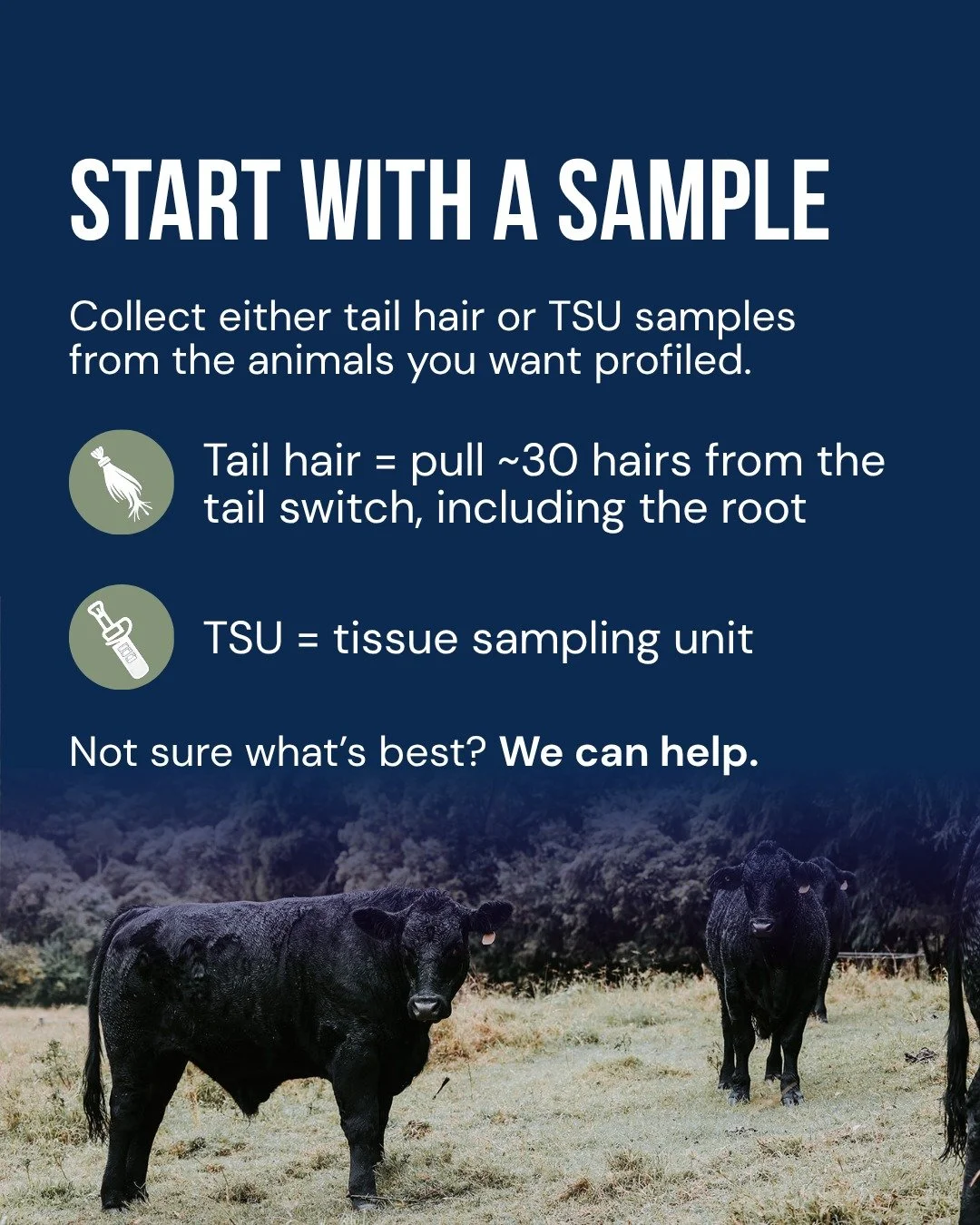
The first step is collecting DNA samples from the animals you want profiled. This is typically done using either tail hair samples or TSUs (Tissue Sampling Units).
You do not need to overhaul your entire operation to get started. Most producers begin with a manageable number of animals and build from there.
02. Define your objectives
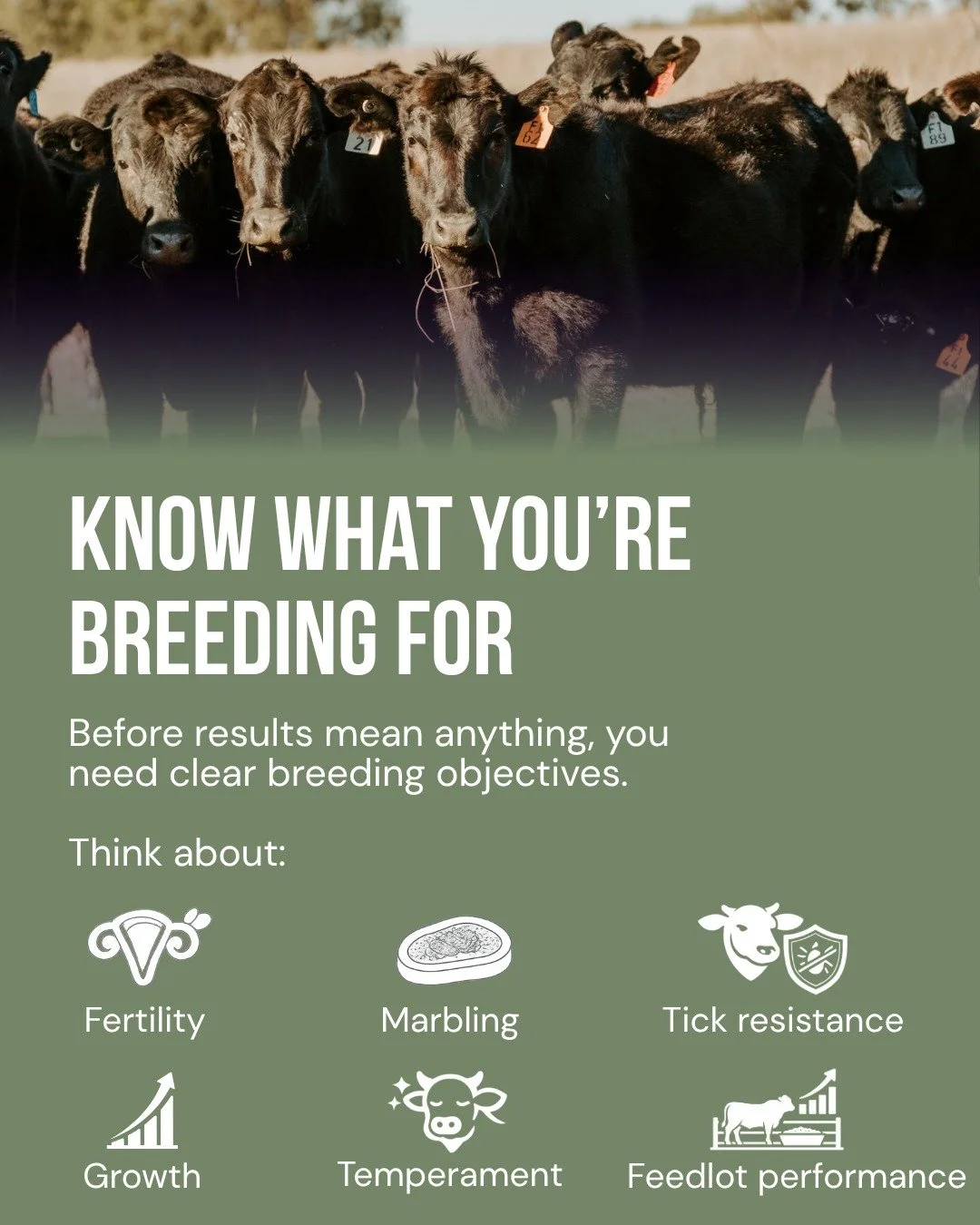
Before genomic results mean anything, you need a clear picture of what you're selecting for within your breeding program.
Whether that’s fertility, growth, marbling, adaptation, temperament or carcase performance, your breeding objectives help shape how genomic information is interpreted and applied.
03. Contact Base Pair
Send your samples and connect with the Base Pair Genomics team to set up your account and submission.
The team can help with:
Sample submission
Choosing suitable genomic tests
Crush-side data collection setup
Understanding your results and next steps
04. Interpret & act
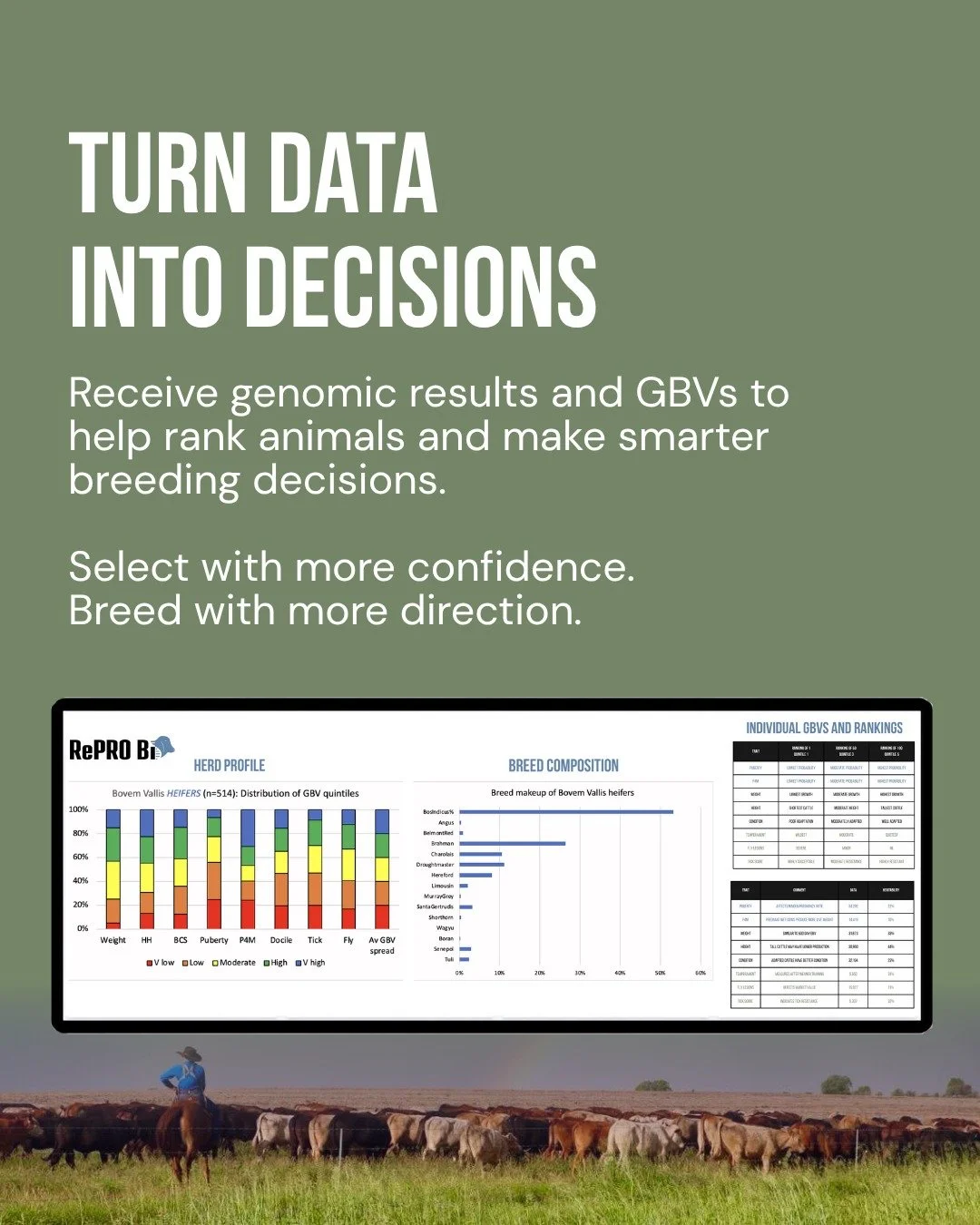
Once results are returned, genomic breeding values (GBVs) and genomic profiles can help support more informed selection decisions within your herd.
The goal is simple, use better information to make more confident breeding decisions over time.
Sample Collection - Tail hair vs TSU, what to know
There are two common ways to collect DNA samples for genomic testing.
Tail hair samples
Tail hair sampling is one of the easiest and most cost-effective ways to get started.
To collect:
Pull approximately 20 to 30 hairs from the tail switch
Ensure the follicle/root bulb is attached
The DNA sits in the root, not the hair shaft
Label samples clearly with the animal ID
Tail hair sample cards are available free of charge through Base Pair Genomics.
TSU (Tissue Sampling Unit)
TSUs are a highly reliable tissue collection method commonly used during calf tagging.
The applicator takes a small ear tissue sample which is automatically stored inside a barcode-linked unit.
TSUs are:
Fast and reliable
Easy to trace
Ideal for larger calf drops
Preferred by many producers for long-term data collection
TSUs are available for purchase online through Base Pair Genomics.
Information to include with each sample
To ensure accurate genomic analysis, include as much supporting animal information as possible:
Tail hair sample ID or TSU barcode
Animal ID
EID or NLIS
Sex
Breed or cross
Date of birth (if available)
Sire and dam details (if known)
The Base Pair team can also help set up crush-side systems to streamline data collection during processing.
Before You Submit
Define your breeding objectives
Genomic data is only as useful as the direction you give it.
Before samples are submitted, spend some time identifying the traits that matter most within your operation and production system.
Consider traits such as:
Growth rate & carcase merit
Marbling & eating quality
Fertility & rebreedability
Tick & fly resistance
Structural soundness & longevity
Adaptation to tropical climates
Docility & temperament
Polled or horned status
Market suitability (MSA, feedlot, stud)
Ranking your top 3 to 5 focus traits before your first conversation with Base Pair helps create clearer breeding direction and more useful genomic insights.